
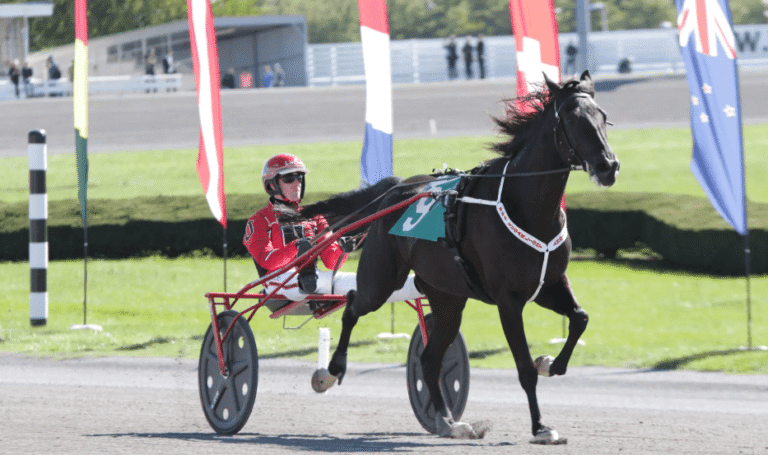
Horse racing is a thrilling and multifaceted sport with a rich history spanning thousands of years. While many may picture a straightforward race to the finish line, the world of horse racing is diverse, featuring various race types that test the speed, stamina, and skill of both horse and jockey in different ways. For fans and newcomers alike, understanding the different types of horse races is essential to appreciating the sport’s complexity and excitement.
This guide dives deep into the main types of horse races, their unique characteristics, and what makes each one special.
1. Flat Racing: The Classic Horse Race
What is Flat Racing?
Flat racing is the most common and widely recognized form of horse racing worldwide. It involves horses racing over a level track without obstacles, with distances typically ranging from 5 furlongs (about 1,000 meters) to 2 miles (approximately 3,200 meters).
Key Features:
- Track Surface: Usually turf (grass) or dirt.
- Distance: Short sprints to longer routes.
- Goal: Be the first horse to cross the finish line.
- Popular Races: The Kentucky Derby, the Royal Ascot, and the Prix de l’Arc de Triomphe.
Why It’s Popular
Flat racing showcases sheer speed and power, and the absence of jumps puts the focus on the horses’ raw athletic ability and the jockey’s race strategy.
2. Jump Racing (National Hunt Racing): The Test of Skill and Stamina
What is Jump Racing?
Jump racing, also known as National Hunt racing, involves horses racing over a course with obstacles such as fences and hurdles. This type of racing is especially popular in the UK, Ireland, and France.
Types of Jump Races:
- Hurdle Races: Horses jump over relatively low hurdles, usually around 3.5 feet tall.
- Steeplechase: More demanding, with higher fences (up to 4.5 feet) and sometimes natural obstacles like ditches.
- Cross-Country: Longer races over varied terrain with a mixture of natural and man-made jumps.
Key Features:
- Distance: Often longer than flat races, ranging from 2 miles to over 4 miles.
- Challenge: Combines speed, stamina, and jumping ability.
- Popular Races: The Grand National (famous for its challenging fences), the Cheltenham Gold Cup.
Why It’s Unique
Jump racing tests the bravery and agility of horses and jockeys, making it one of the most thrilling and unpredictable forms of horse racing.
See also: The History of Horse Racing: From Ancient Times to Modern Day
3. Harness Racing: The Race from Behind the Sulky
What is Harness Racing?
In harness racing, horses race at a specific gait (either a trot or a pace) while pulling a lightweight two-wheeled cart called a sulky. The driver, not a jockey, sits in the sulky and controls the horse.
Key Features:
- Gaits: Trotters (diagonal legs move together) or pacers (legs on the same side move together).
- Track: Usually oval-shaped dirt or clay tracks.
- Distance: Typically between 1 mile and 1.5 miles.
- Popular Events: The Hambletonian Stakes (USA), the Elitloppet (Sweden).
Why It’s Different
Harness racing emphasizes precision and endurance rather than outright speed. The controlled gait rules add a tactical dimension, as horses must maintain a specific pace without breaking into a gallop.
4. Quarter Horse Racing: The Ultimate Sprint
What is Quarter Horse Racing?
Quarter Horse racing focuses on short-distance sprint races, usually a quarter of a mile or less, showcasing explosive speed and quick acceleration.
Key Features:
- Distance: Typically 220 yards to 870 yards (1/4 mile).
- Horses: The American Quarter Horse breed, known for muscular build and fast starts.
- Popular Events: The All American Futurity, the richest race for quarter horses.
Why It’s Exciting
These races are incredibly fast and often over in less than 20 seconds, making them thrilling, high-intensity events for fans who love speed.
5. Endurance Racing: The Long Haul Challenge
What is Endurance Racing?
Endurance racing involves horses and riders covering long distances over varied natural terrain, testing stamina, navigation skills, and the bond between horse and rider.
Key Features:
- Distance: Can range from 25 miles to over 100 miles.
- Course: Trails, hills, deserts, and forests.
- Popular Events: The Tevis Cup (USA), the World Endurance Championships.
Why It’s Special
Endurance racing is as much about partnership and strategy as it is about speed. Horses must maintain steady energy, and riders must manage pacing, hydration, and care throughout the race.
6. Point-to-Point Racing: The Amateur Steeplechase
What is Point-to-Point?
Point-to-point racing is an amateur form of steeplechase racing often organized by hunting clubs. It serves as a grassroots introduction to jump racing.
Key Features:
- Participants: Amateur jockeys and horses, often young or inexperienced.
- Course: Natural countryside courses with fences.
- Goal: Similar to steeplechase—jump all obstacles and finish first.
Why It Matters
Point-to-point racing keeps the rural and hunting traditions alive and is a stepping stone for horses and riders aiming for professional jump racing careers.
7. Other Variants and Special Races
Match Races
- One-on-one contests between two horses, testing pure speed and rivalry.
Mixed Breed and Specialty Races
- Some events feature unique breeds like Arabians or Appaloosas, each with specific traits.
International Differences
- Some countries have unique race types or rules influenced by culture and tradition, such as ban’ei racing in Japan, where draft horses pull heavy sleds over obstacles.
Conclusion
Horse racing is far more than just a race; it is a complex and varied sport that offers something for everyone—from high-speed sprints to stamina-testing endurance courses, and from expert jockey tactics to pure animal power. Understanding the different types of horse races enriches your appreciation of this timeless sport and can deepen your enjoyment, whether you’re a fan, bettor, or participant.
Next time you watch a race, you’ll be able to identify what kind of challenge the horses and riders face—and that insight can transform your viewing experience.