
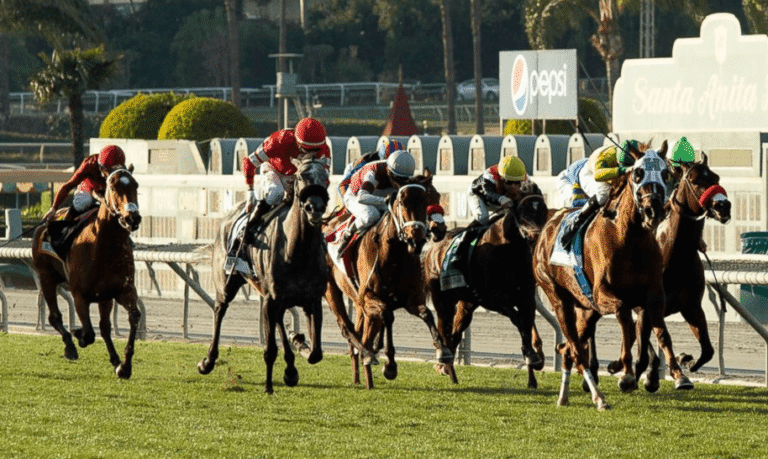
Horse racing is one of the oldest and most cherished sports in human history, a thrilling blend of speed, skill, and tradition that has captivated audiences for thousands of years. From ancient civilizations to modern-day racetracks, horse racing has evolved dramatically while retaining the timeless excitement of the race itself. This article explores the fascinating journey of horse racing—from its earliest origins to the globally popular sport it is today.
Ancient Beginnings: The Origins of Horse Racing
Horse racing traces its roots back over 5,000 years, with evidence of horse races found in ancient civilizations such as Mesopotamia, Egypt, and Greece. Horses were first domesticated around 3500 BCE, and soon after, they became vital for transportation, agriculture, and warfare—naturally evolving into a source of entertainment and competition.
Mesopotamia and Egypt
Clay tablets and carvings from Mesopotamia (modern-day Iraq) depict chariot races as early as 2000 BCE. These races were not only popular spectacles but also held religious significance, often associated with the gods. Similarly, ancient Egyptian tomb paintings show chariot races and mounted horsemen competing, underscoring the importance of horses in society.
See also: The Thrill of Horse Racing: A Beginner’s Guide
Ancient Greece and Rome
The Greeks elevated horse racing to new heights during the Olympic Games beginning in 680 BCE. Two main forms dominated: chariot racing and mounted horse racing. Chariot races were particularly dangerous and thrilling, with teams racing around oval tracks known as hippodromes.
The Romans further popularized horse racing through the Circus Maximus, where chariot races drew tens of thousands of spectators. Horse racing became a central part of Roman culture, blending sport, politics, and social spectacle.
Horse Racing in the Middle Ages
Following the fall of the Roman Empire, organized horse racing waned in Europe but continued to flourish in other parts of the world. In the Middle East and Central Asia, horse breeding and racing thrived under Islamic empires. The Arabian horse, prized for its endurance and speed, became the foundation of many modern breeds.
Meanwhile, in medieval Europe, informal horse races occurred during festivals and fairs, often involving knights and nobility competing to showcase their horsemanship and bravery.
The Birth of Modern Horse Racing: 17th to 18th Century
Modern horse racing as we know it today began to take shape in 17th century England. Several factors contributed to this transformation:
The Thoroughbred and Horse Breeding
English breeders began developing the Thoroughbred breed by crossing native mares with imported Arabian, Barb, and Turkoman stallions. This breed combined speed, stamina, and agility, ideal traits for flat racing.
The Establishment of Racecourses and Rules
The first formal racecourses emerged, including the famous Newmarket Racecourse in the early 1600s, which remains a hub of British horse racing today. Around this time, standardized rules and regulations began to govern races, making the sport more organized and fair.
The Jockey Club
Founded in 1750, the Jockey Club in England established official standards for horse racing, including rules about weights, distances, and betting. It became the sport’s regulatory body, setting the foundation for horse racing’s modern governance.
Horse Racing’s Spread Across the Globe
Horse racing quickly expanded beyond England:
North America
The sport was introduced by English colonists in the 17th century. The first official race in the United States took place in 1665 in New York. Over time, American breeders refined their own bloodlines, and by the 19th century, prestigious events like the Kentucky Derby (first run in 1875) cemented horse racing’s place in American culture.
Australia and New Zealand
Horse racing arrived with British settlers and rapidly became a favorite pastime. The Melbourne Cup, first run in 1861, is Australia’s most famous race and a national holiday event.
Asia and the Middle East
Horse racing also took root in countries like Japan, China, and the Gulf states, where traditions mixed with modern influences. The Arabian horse remains highly revered in the Middle East, and countries like the UAE have invested heavily in building world-class racecourses.
The Evolution of the Sport: 19th and 20th Centuries
The 19th and 20th centuries witnessed major innovations and expansions in horse racing:
Technological Advances
- Photo Finish Cameras (1930s): Allowed officials to determine race outcomes with precision.
- Starting Gates (1939): Ensured fair and simultaneous starts.
- Improved Track Surfaces: Developed for safety and consistent racing conditions.
Growth of Betting and Media Coverage
Betting became an essential part of the sport’s appeal, with pari-mutuel betting systems introduced in the early 20th century providing fair and transparent wagering.
Television broadcasts from the mid-1900s brought races into living rooms worldwide, turning horse racing into a global entertainment spectacle.
Iconic Races and Horses
Events like the Kentucky Derby, Royal Ascot, and the Prix de l’Arc de Triomphe became international highlights, attracting elite competitors and massive audiences.
Legendary horses such as Secretariat, Man o’ War, and Seabiscuit captured imaginations and helped elevate the sport’s profile.
Horse Racing Today: A Global Phenomenon
Today, horse racing continues to thrive with millions of fans, advanced breeding programs, and high-stakes competitions. The sport embraces modern technology, including:
- Online Betting Platforms: Making wagering accessible worldwide.
- Advanced Veterinary Care: Improving horse welfare and performance.
- Data Analytics: Helping trainers optimize race strategies.
Despite its modernization, horse racing remains deeply rooted in tradition, preserving many rituals, from the garland of roses to ceremonial anthems.
Challenges and the Future
Horse racing faces challenges such as concerns over animal welfare, competition from other sports and entertainment, and changing betting laws. The industry has responded with increased regulation, transparency, and efforts to improve safety for horses and jockeys.
The future of horse racing lies in balancing its rich heritage with innovation—continuing to thrill new generations while honoring its incredible past.
Conclusion
From the chariot races of ancient Rome to the glittering grandstands of today’s major tracks, horse racing’s history is a story of evolution, passion, and cultural significance. This sport connects us to our past while providing an enduring spectacle of athleticism and competition.
Whether you’re a seasoned fan or a curious newcomer, understanding the history of horse racing enriches the experience, making every race a thrilling chapter in a story thousands of years in the making.